
The historical evolution of casinos How gaming transformed through the ages
The Origins of Gambling
The origins of gambling can be traced back to ancient civilizations, where games of chance were an integral part of cultural practices. Archaeological evidence suggests that as far back as 3000 BC, the Chinese were using rudimentary forms of gambling, including dice made from animal bones. These early forms of gambling were often tied to spiritual beliefs, where the outcome was seen as a reflection of divine intervention. Similarly, in ancient Rome, gambling became prevalent, especially among soldiers and the elite, leading to the establishment of public games and betting practices. Additionally, players looking for a trustworthy online experience can explore https://kingmaker-de.org, which offers various gaming options.

In ancient Egypt, gaming was tied closely to religious ceremonies, with board games like Senet symbolizing the struggle between life and death. These games not only entertained but also served as a method for understanding fate and fortune. The Greeks later incorporated gambling into their festivals, where competitions were held that combined athletic prowess with betting, laying the groundwork for the modern concept of wagering. Thus, the early forms of gambling provided a rich historical tapestry that would eventually evolve into casinos.
As societies developed, so did the complexity of gambling activities. By the Middle Ages, gambling houses began to emerge in Europe, often run by local merchants. These establishments offered a variety of games, including cards and dice, catering to the rising interest among the upper classes. The gambling culture expanded significantly during this period, leading to more organized forms of betting that would later influence the modern casino landscape.
The Rise of Formal Casinos
The formal establishment of casinos began in the 17th century, particularly in Italy. The first recognized casino, the Ridotto, opened in Venice in 1638, designed to provide a controlled environment for gambling, particularly during carnival season. This marked a significant transition from informal gambling to a regulated activity. The Ridotto set the tone for future casinos, combining entertainment with a social setting, a concept that has persisted through the ages.
As the concept of casinos spread, various countries adapted their own interpretations. France became a central hub for casino culture in the 18th century, with establishments like the Casino de Spa in Belgium opening doors to high-stakes gaming and luxurious environments. These venues attracted the wealthy elite, creating a social atmosphere where status was intertwined with gambling. The term “casino,” meaning “little house” in Italian, became synonymous with leisure and enjoyment, reshaping how gambling was perceived in society.
The 19th century saw the emergence of gambling houses in the United States, particularly in New Orleans, where the blend of French and Spanish cultures created a vibrant gaming scene. As the westward expansion took hold, gambling became a popular pastime among settlers, further popularizing the casino concept. The Gold Rush era brought about mining camps that included makeshift gambling establishments, solidifying the casino’s role in American culture and society.
Modernization and Globalization of Casinos
The 20th century marked a pivotal turning point for casinos, particularly after the legalization of gambling in Nevada in 1931. Las Vegas emerged as the gaming capital of the world, characterized by lavish resorts and elaborate shows. The introduction of slot machines and table games on a large scale transformed the casino experience into a major tourist attraction, complete with entertainment and hospitality services that extended beyond just gambling.
The post-war era saw the globalization of casinos, with countries around the world adopting various gambling regulations and establishing their own gaming destinations. Countries like Monaco, Singapore, and Macau emerged as significant players in the global casino landscape. Each location offered unique gaming experiences, from high-stakes baccarat in Macau to the glamour of Monte Carlo, which attracted millions of visitors and created a multi-billion-dollar industry.
As technology advanced, online gambling began to make waves in the late 20th century. The rise of the internet allowed for the creation of virtual casinos, making gaming accessible to a wider audience. Players could now enjoy their favorite games from the comfort of their homes, leading to a significant shift in how casinos operated. This transition also introduced new regulations and standards to ensure fair play and responsible gaming, further embedding the evolution of casinos in the digital age.
The Impact of Technology on Casino Gaming
Technology has fundamentally altered the landscape of casino gaming, particularly with the advent of mobile and online platforms. Casinos have embraced the digital revolution, offering an array of games accessible on smartphones and tablets. This shift has not only expanded the player base but has also influenced the way games are designed. Providers are now creating innovative gaming experiences that integrate graphics, sound, and interactivity, making online gaming increasingly immersive.
The development of live dealer games has bridged the gap between online and traditional casinos, allowing players to engage with real dealers via streaming technology. This feature enhances the gaming experience by providing a sense of presence and interaction, fostering a community atmosphere that was traditionally found only in physical casinos. Moreover, the use of data analytics and artificial intelligence is helping casinos tailor experiences to individual preferences, creating personalized gaming environments.
The rise of cryptocurrencies and blockchain technology is another significant trend impacting the casino industry. Many online casinos now accept cryptocurrencies as payment, providing a level of anonymity and security that traditional banking methods do not offer. This innovation is attracting tech-savvy players looking for secure and efficient transactions while pushing the industry towards embracing new technological advancements. The future of casinos is undoubtedly tied to these evolving technologies, promising continued transformation and growth.
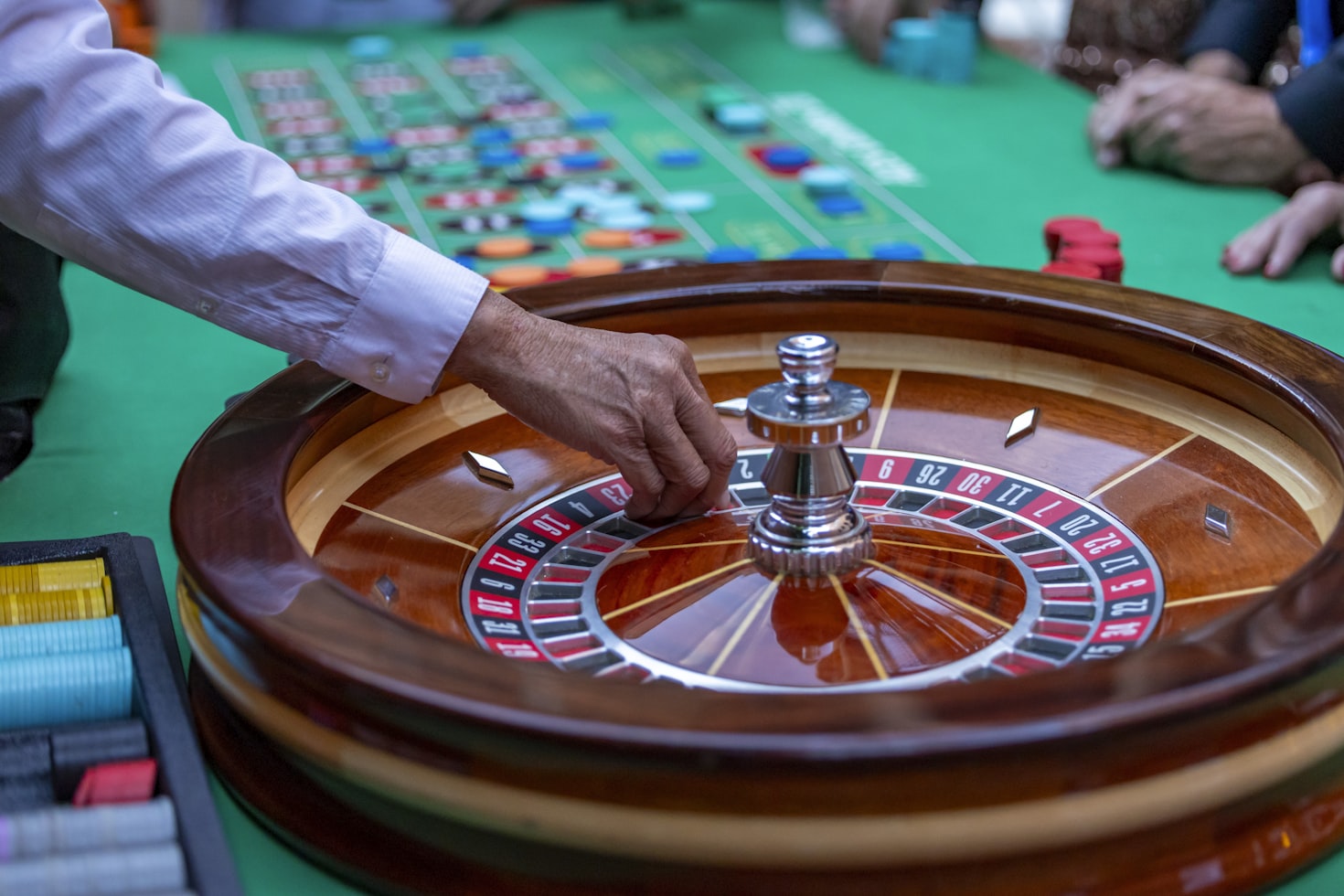
Kingmaker Casino: A Modern Gaming Experience
Kingmaker Casino represents the pinnacle of modern online gaming, providing players with a vast selection of over 2,000 games, including slots, table games, and live dealer options. This platform exemplifies the evolution of casinos by merging traditional gaming experiences with cutting-edge technology, ensuring a seamless and secure environment for players. With a focus on security, Kingmaker Casino employs trusted payment methods and state-of-the-art encryption, safeguarding players’ personal information.
The user-friendly interface of Kingmaker Casino is optimized for both desktop and mobile devices, catering to the preferences of today’s gamers who desire flexibility. Players can enjoy gaming anytime and anywhere, from the comfort of their homes or while on the go. In addition, generous bonuses and promotions enhance the overall gaming experience, encouraging both new and returning players to engage with the platform.
As the casino landscape continues to evolve, Kingmaker Casino stands at the forefront, embracing innovation and user engagement. By prioritizing customer support and creating a vibrant gaming community, Kingmaker Casino is not just a place for gaming but a comprehensive entertainment hub that reflects the rich history and future of casinos.